Rebranding Myself: Why I’m Mixing Business, Self-Care & Big Goals

If you’ve been following me for a while, you know I wear many hats – community and economic development specialist, project consultant, grant writer, intentional living advocate, journal author, and self-care enthusiast. Oh, and let’s not forget working mom and lover of good skincare! (Because honestly, everything feels more doable with a good moisturizer and a little SPF.)

Needless to say, my brand has been a bit… let’s call it ‘multi-passionate’ (which is a fun way of saying ‘a little all over the place‘). For a long time, I tried to keep my different roles separate, almost like I had different identities depending on who I was talking to.

💼 Talking to a corporate contact? Focus on strategy and funding.
🧘‍♀️ Chatting with my self-care community? Let’s talk mindfulness and balance.
📓 Sharing journaling and intentional living tips? That’s a whole different vibe.

But here’s the thing – all of these pieces are part of who I am and how I help people. The way I approach business, community impact, and personal growth is all connected. So why was I working so hard to keep them apart?

As I continue growing, I’ve realized that I need a clearer, more aligned way to show up in the world – one that fully reflects who I am, what I do, and how I can help others. I don’t want people to have to “figure out” my brand. I want it to be obvious, engaging, and real.

At my core, I believe in intentional choices – whether in business, community growth, or personal well-being. I want my brand to reflect that, so instead of separating everything, I’m bringing it all together under one cohesive message:

Helping communities, organizations, and individuals grow with strategy, intention, and impact.

This rebrand isn’t about changing what I do – it’s about owning it and presenting it in a way that feels effortless and exciting (cue happy dance).

Because let’s be real – you can’t grow a thriving community, organization, or career if you’re running on empty. I want to help organizations and individuals make strategic decisions while also prioritizing balance and well-being. No more burnout, no more disjointed messaging – just aligned action and intentional choices.

Instead of trying to juggle multiple separate brands, I’m focusing on a few key themes that reflect everything I love:

✔️ Community & Economic Development → Strategy, funding, impact, and all things big-picture growth.

✔️ Intentional Living & Mindset → Business, productivity, and the mindset shifts that make it all work.

✔️ Wellness & Self-Care → Because burnout isn’t cute, self-care is crucial and sustainability matters in business and life.

✔️ Strategic Growth & Professional Development → Helping others build sustainable success through smart choices and aligned action.

By the time I’m done, I want my brand to feel:

Aligned – Everything fits together effortlessly

Clear – People immediately understand what I do and how I can help

Impactful – My work creates meaningful change

Fun & Engaging – Because I want to enjoy this process, too! 🙂

I also want to create deeper connections with my audience, have more fun with my content, and fully own my brand – without feeling like I have to choose just one lane.

So, here’s to the next chapter!

If you’ve ever thought about rebranding, what’s stopping you? Let’s chat in the comments – I’d love to hear your thoughts! 👇💬

— Tara Zeller
Helping communities, organizations, and individuals grow with strategy, intention, and impact.
http://www.tarazeller.ca | @tarajzeller
The Heart of a Small Town: Why Community Development Matters

There’s something truly special about living in a small town. The sense of belonging, the friendly waves from familiar faces, and the knowledge that your community genuinely has your back. These are things that can’t be replicated in a big city. I’ve had the privilege of living and working in small communities across Saskatchewan, Alberta, and Nunavut, and I know firsthand how critical it is to work together and support each other. Community development is at the core of making small towns thrive, and it impacts everyone, no matter what stage of life they are in.

One of the greatest advantages of small-town life is the environment it provides for raising a family. Kids have the opportunity to grow up in a place where they’re known by name, where their teachers, coaches, and neighbors all play a role in their development. Youth sports and activities flourish because of dedicated volunteers who step up to coach, organize, and support local teams. From hockey and soccer to dance and 4-H clubs, small towns offer a unique sense of camaraderie that builds strong, confident young people.

Life in a small town isn’t just about the kids – it’s also about creating meaningful opportunities for adults to connect. Whether it’s through recreational sports leagues, book clubs, or community events, small-town living fosters deep relationships. In a world where social isolation is a growing concern, these connections are invaluable.

Community development ensures that there are spaces and opportunities for people to come together, making socializing and networking easier and more meaningful.

One of the best things about living in a small town is knowing that your neighbors are looking out for you. Whether it’s borrowing a cup of sugar, shoveling a driveway, or simply keeping an eye on each other’s homes, there’s an inherent sense of trust and security. Community safety isn’t just about crime rates – it’s about building a culture of care and looking after one another.

Small-town municipal governments play a huge role in fostering development, ensuring that local businesses and organizations have the resources they need to succeed. Engaged leadership helps create policies that attract new businesses, retain talent, and improve infrastructure. But government alone can’t do it all – successful community development requires collaboration between residents, local leaders, and businesses.

Local businesses and non-profit organizations are the backbone of small communities.

They provide jobs, services, and opportunities that keep towns thriving. However, many small businesses and organizations struggle with securing funding, writing grants, and launching new initiatives.

Every small town has a culture all its own. The festivals, traditions, and shared experiences create a tapestry of community pride that you simply can’t find elsewhere. From the Prairies, to the Rocky Mountains, to the tight-knit Arctic communities of Nunavut, I’ve seen firsthand how culture and identity shape a town’s spirit. Preserving and celebrating these unique qualities is an essential part of community development.

Community development isn’t just about economic growth – it’s about fostering a place where people feel connected, supported, and inspired. Whether you’re raising a family, starting a business, or enjoying retirement, strong communities enhance quality of life at every stage. By investing in our communities, supporting local businesses, and working together, we ensure that small towns remain vibrant and resilient for generations to come.

If you’re a small business owner, non-profit leader, or community advocate looking for ways to grow and thrive, I’m here to help. Let’s work together to strengthen our small-town communities, because when we invest in each other, we all win.

Learn more about why you should work with me here.

Grant Writing: What you Need to Know.

If you have ever tried writing a grant, you know it’s just about as fun as assembling IKEA furniture without instructions (ugh!). Grants can be an incredible source of funding, but before you rush out to hire a grant writer (like me!), there are a few things you need to know to set yourself up for success.

If your organization’s mission statement is buried under a pile of old meeting minutes, we need to talk.

Funders want to see that you have a clear vision for what you’re doing and where you’re going.

A grant should align with your goals, not be a random pot of money you chase just because it’s available. Having a strategic plan ensures you’re applying for the right grants, not just any grants.

Just because money is available doesn’t mean you should apply.

Your program or project should have a meaningful impact, not just be a convenient way to bring in extra funds.

Funders want to see that their money is making a difference – not just padding your organization’s budget.

Saying, “We really need this funding” isn’t enough. You need hard data.

Show funders that your program is solving a real problem by including statistics, community feedback, or research that supports your need.

Funders want to know that their dollars will be put to good use, not just a good idea.

No, “a lot” and “not much” are not acceptable budget estimates.

A solid grant proposal includes a clear, detailed budget showing exactly where the funds will go.

This should include program costs, staff time, materials, and any additional funding sources. A well-thought-out budget reassures funders that you’ve done your homework.

Funders love transparency. They want to see that you’re managing your money responsibly and that your organization is stable. Be prepared to provide financial statements, proof of past funding, and a breakdown of your contributions. If your financials are a mess, cleaning them up before applying will save you stress down the road.

Getting funding is one thing – executing the program is another.

Funders want to know that you have the people, resources, and expertise to follow through.

If your plan requires hiring staff, securing a location, or buying equipment, make sure you have a realistic plan for making it all happen.


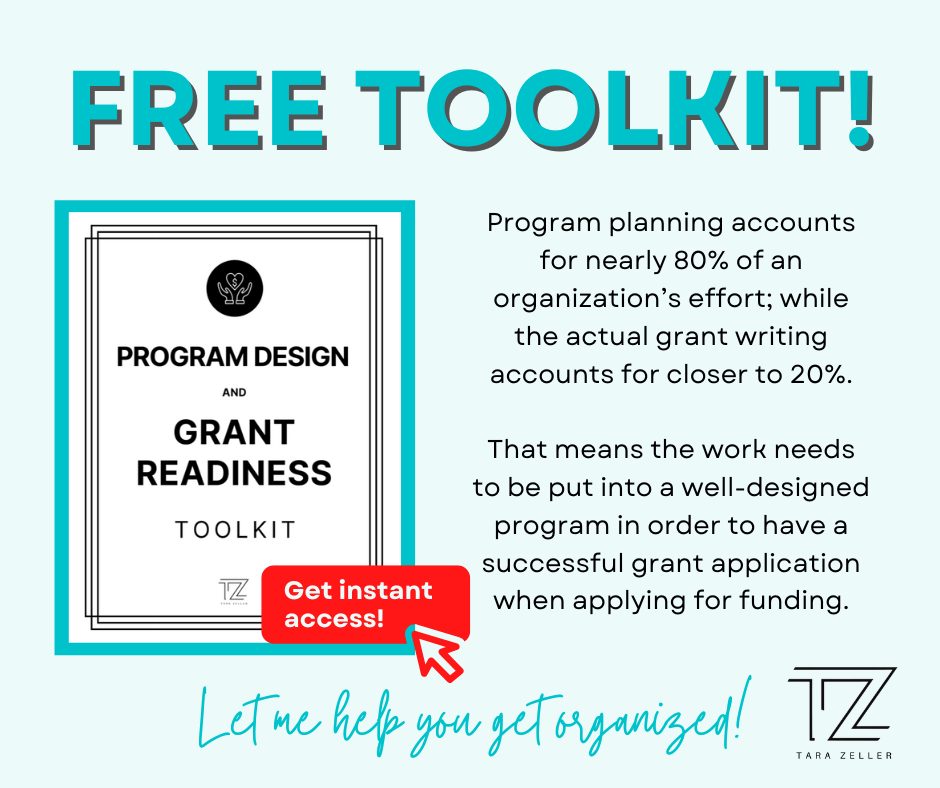
Writing grants doesn’t have to feel like pulling teeth (although, let’s be real, sometimes it does). To make things easier, I’ve put together a Free Grant Readiness Toolkit that walks you through the essentials. You can download it here and use it to organize your next application like a pro.

Entrepreneurship in a Small Town

Success isn’t about where you live – it’s about what you build and being consistent.

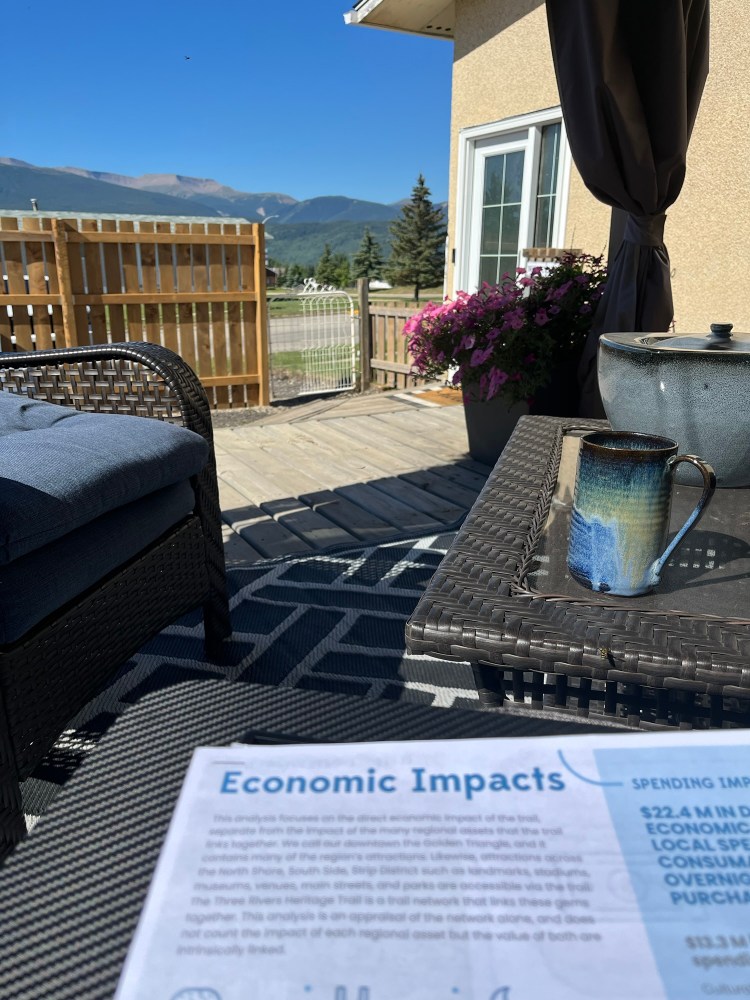
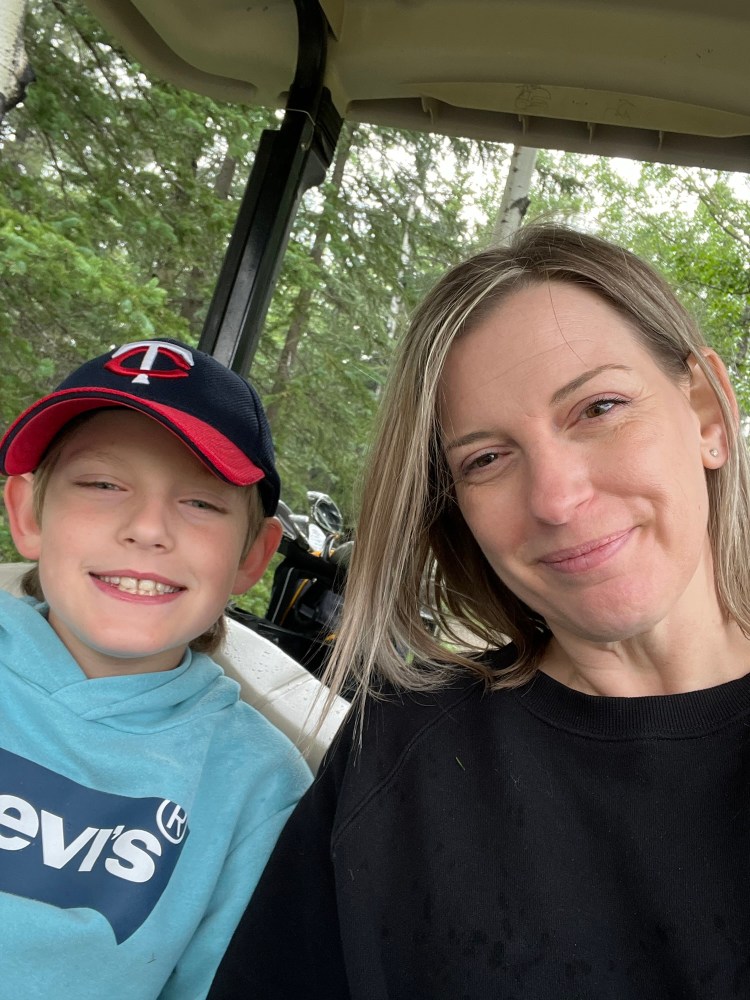
One of the biggest rewards of being an entrepreneur in a small town isn’t just professional success—it’s personal freedom. Working from home gives me the flexibility to be present for my family in ways a traditional 9-to-5 never could. I have a 14-year-old daughter and 11-year-old son. We are busy, but now I get to enjoy all the little moments with them, and it’s been so wonderful to experience.

Entrepreneurship isn’t just about making a living—it’s about designing a life.

What I’ve Learned from Being Laid Off – Not Once . . . but Twice

Five years ago, I found myself navigating a storm I didn’t see coming. I lost my corporate job due to Covid layoffs—a blow I thought I’d never experience again. Yet, within five years, I found myself walking the same painful path. Being laid off twice in such a short time was more than a professional setback; it became one of the most challenging personal journeys I’ve ever faced.

But with challenges come lessons – lessons I now carry with me as a business owner, mother, and someone living life with intention.

Here’s what I learned:

  1. Resilience Isn’t Built Overnight

    The first layoff hit me hard, but the second? It knocked the wind out of me. I felt broken, questioning my worth and my future. But resilience isn’t born from success; it’s forged in the fire of adversity. Each day I got up, made the bed, and took even the smallest of steps forward, I was building something within myself: grit, courage, and strength. I learned resilience isn’t about bouncing back quickly; it’s about choosing to keep going even when everything feels heavy.

  2. Pain is Real, and So is Healing

    Being laid off twice brought immense sadness. I felt lost, disconnected, and frankly, ashamed. Depression loomed as I mourned the career I thought defined me. But acknowledging my pain was the first step toward healing. I began leaning on practices like daily movement and trying to journal, allowing me to process the sadness and find gratitude amidst the chaos. Healing didn’t happen overnight, but it happened intentionally.

  3. Fear Can Be a Catalyst for Change

    Fear consumed me: fear of financial instability, fear of failure, fear of the unknown. But fear also became my greatest motivator. It forced me to take risks I’d never have considered otherwise, including the biggest leap of all—starting my own business. I learned that courage isn’t the absence of fear; it’s taking action despite it.

  4. The Power of Family and Simple Moments

    Unemployment gave me something I hadn’t had in years: time. Time to be present with my family, to reconnect with my kids, and to savor the moments I’d once been too busy to notice. As difficult as it was to face the uncertainty of my career, it was a gift to be able to slow down, cook meals together, and play in the backyard. Those moments became the silver lining that brought me peace during the storm.

  5. Downsizing: A Reality Check

    Losing a steady paycheck meant making hard decisions. Downsizing our home was humbling but necessary. Instead of focusing on the things we were giving up, we focused on paying down debt and simplifying life. I realized how little I actually needed to feel content. Letting go of the material things I thought defined my success helped me uncover what really matters. My family.

  6. Gratitude Changes Everything

    Gratitude became my lifeline. Each day, I acknowledged things I was thankful for, no matter how small—my morning coffee, a sunny day, a kind word from a friend. Gratitude shifted my mindset from scarcity to abundance. It taught me to celebrate the wins, however small, and focus on what I had rather than what I’d lost.

  7. Living with Intention is a Choice

    The second layoff forced me to ask hard questions: How do I want to spend my time? What do I value most? These questions became the foundation of my new life. Living intentionally means making choices that align with your values, and it’s not always easy. But it’s worth it. Whether it’s spending more time with family, pursuing a passion project, or setting boundaries, I’ve learned to make decisions based on how I want to feel, not just what I want to achieve.

  8. Bravery is a Muscle You Build
    Starting my own business was terrifying. I doubted myself constantly. But each small win gave me confidence. I reminded myself daily that I could do hard things and to be brave. I’d overcome so much already. Building something from scratch wasn’t easy, but it was rewarding in ways I never expected. It wasn’t just about financial freedom; it was about proving to myself that I could thrive on my own terms.

From Layoffs to Living Intentionally

Looking back, losing my corporate job twice within five years was a blessing in disguise. It forced me to reevaluate my priorities, simplify my life, and take a leap of faith into entrepreneurship. I’ve learned that resilience is built through struggle, fear can fuel courage, and gratitude can transform even the darkest days.

If you’re going through a tough season, remember this: the storm doesn’t last forever. Start small—write down one thing you’re grateful for, take one step forward, and make one intentional choice today. Over time, those small actions add up to something big: a life filled with purpose, resilience, and joy.

If you’re ready to start your own journey of intentional living, check out my Daily Intentions Journal at DailyIntentions.ca. It’s been my anchor through the hardest of times, and I know it can help you too.

You’ve got this. Keep going.


What hard lessons have you learned through challenges? Share your story with me on Instagram @tara.j.zeller. Let’s inspire one another to live with intention.